Programs

Home/Programs

Day 1 : Jun 01,2026
Day 1
Agenda Download
Keynote Speakers
Biography:

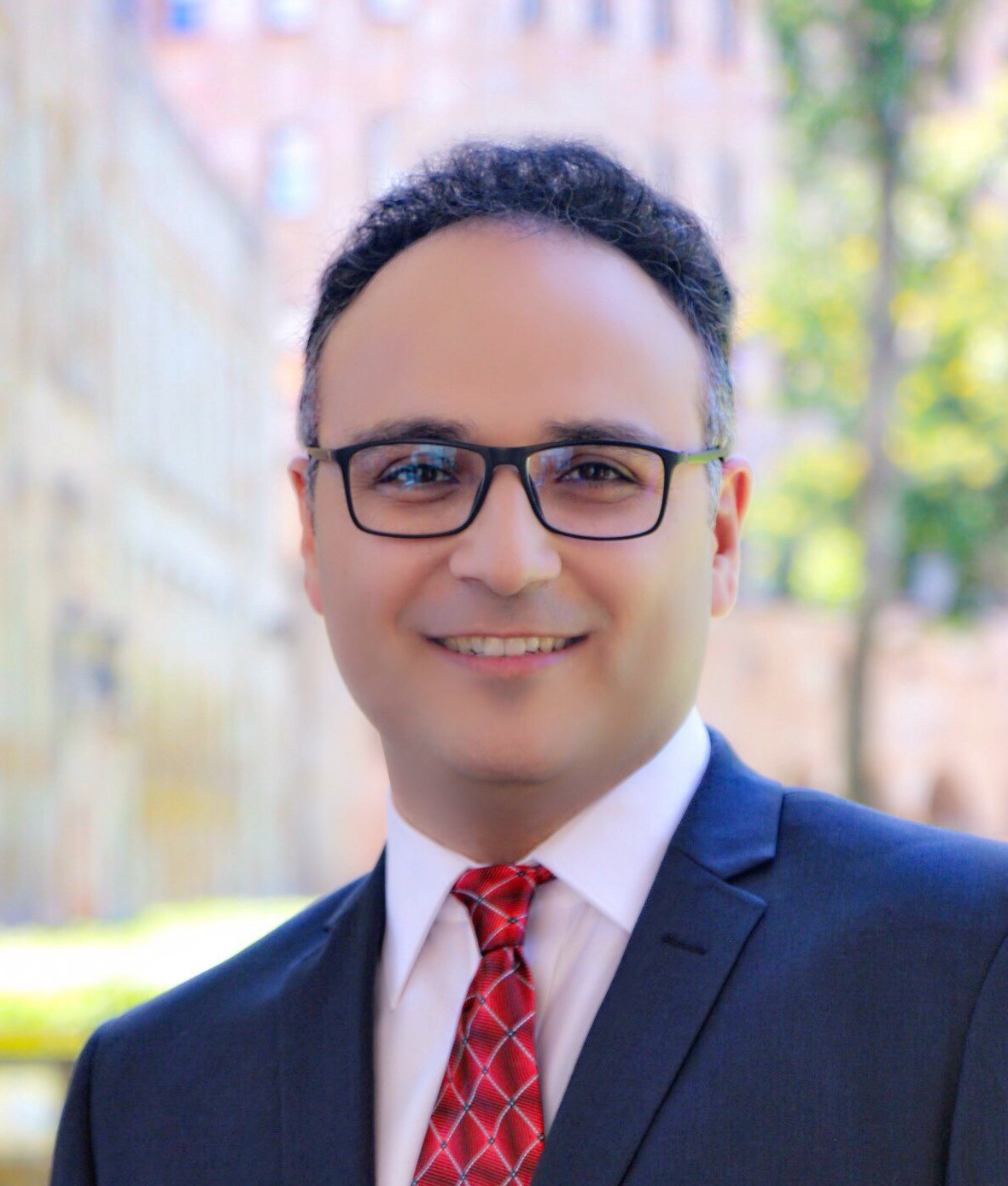
Prof. Ali Soofastaei is a technology leader specializing in AI-driven digital transformation, data governance, and large-scale analytics. He has led global programs across asset-intensive industries, designing production-grade data platforms, decision-support systems, and MLOps frameworks that improve safety, reliability, and sustainability. Ali holds a PhD in Information Technology (University of Queensland) and an MEng in Systems Engineering (Johns Hopkins University). His work focuses on translating complex, heterogeneous data into actionable, transparent decisions using modern data products, value-driver trees, and explainable machine learning (e.g., SHAP-based analyses). A frequent keynote speaker and author, he partners with executives and multidisciplinary teams to operationalize AI responsibly—linking models to measurable outcomes and robust governance. His current interests include privacy-preserving learning, energy-aware analytics for healthcare facilities, and resilient architectures for real-time clinical and laboratory operations.

Abstract:

Healthcare and bioscience are entering a data-dense era shaped by connected devices, high-throughput laboratories, and digitized clinical workflows. Yet many organizations still struggle to turn heterogeneous data into trustworthy, operational decisions. This talk distills practical lessons from large-scale digital transformation in asset-intensive industries—where safety, reliability, sustainability, and cost discipline must coexist—and maps them to healthcare and bioscience use cases. I will outline a repeatable architecture for predictive and prescriptive analytics that integrates streaming telemetry (wearables, laboratory instruments, building management systems), transactional systems (EHR/LIMS/ERP), and unstructured data (clinical notes, imaging metadata). The approach emphasizes: (1) governed data products with clear ownership and quality SLAs; (2) value-driver trees that translate models into measurable clinical, operational, and sustainability outcomes; (3) robust MLOps for deployment, monitoring, and drift management; and (4) human-centered change management to secure adoption. Methodologically, I will cover forecasting and anomaly detection for patient flow and equipment uptime; classification and ranking for triage and imaging worklists; and reinforcement-learning-style policies for resource scheduling. Model transparency is addressed using explainability techniques (e.g., SHAP summaries at cohort and case levels) and lineage/audit trails to satisfy regulatory and ethical requirements. I will also discuss privacy-preserving patterns (federated/edge training), bias assessment, and governance checkpoints. Illustrative vignettes include: predictive maintenance for critical laboratory and imaging assets; dynamic staffing and theatre scheduling using time-series demand signals; and energy-aware facility control that reduces environmental footprint without compromising patient safety. The session concludes with a pragmatic playbook—maturity assessment, opportunity discovery, minimum viable model, guarded pilot, and scaled rollout—backed by templates and metrics that attendees can adapt to their contexts. The core message is simple: by combining disciplined data governance with explainable, operations-aware AI, healthcare and bioscience organizations can move beyond dashboards to decisions—safely, sustainably, and at scale.
Biography:
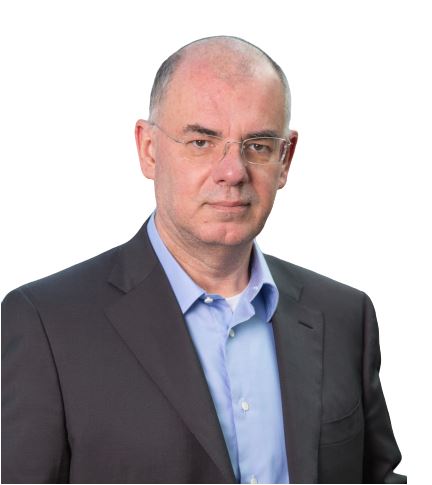
Dr. Giuseppe Recchia, MD, graduated in Medicine from the University of Padua. He served as a Research Fellow at the State University of New York Downstate Medical Center, Brooklyn, and worked as a researcher at Verona Hospital’s Renal Transplant and Dialysis Centre. From 1993 to 2018, he held the position of Vice President and Medical & Scientific Director at GSK Italy. Dr. Recchia is a pioneer in digital health and co-founded several innovative healthcare startups, including daVinci Digital Therapeutics, daVi DigitalMedicine, and DigitalRehab, focusing on digital therapeutics and rehabilitation solutions. He is also a lecturer in Digital Health at several prestigious Italian universities, including the University of Verona, Università Cattolica – ALTEMS Rome, and Tor Vergata University. Additionally, he serves as Vice President of Fondazione Tendenze Salute Sanità and Editor of the journal Tendenze Nuove.

Abstract:
Background: Patient-facing digital health technologies have evolved through two distinct architectural generations. First-generation mobile-first applications (2008–2025) were built around Graphical User Interfaces (GUI) requiring manual data entry, deterministic rule-based logic, and static clinical content. Despite demonstrating efficacy in controlled trial settings, these applications suffer from a fundamental real-world engagement paradox: massive participant dropout in ecologically valid conditions. The root cause is structural — siloed architecture, form-first interaction design, and absence of adaptive therapeutic alliance generate friction that renders these tools clinically ineffective in routine use, regardless of their theoretical validity.
Objective: To describe the defining architectural features of second-generation AI-native health applications across the full Digital Therapeutics Alliance (DTA) classification spectrum — from Health & Wellness to Digital Therapeutics (DTx) — and to present Somnia AI as a proof-of-concept prototype instantiating this paradigm in the domain of insomnia management.
Methods: AI-native health applications are distinguished from their mobile-first predecessors by some integrated architectural pillars constituting a Continuous Clinical Loop as: (1) Voice-First interaction (Linguistic User Interface replacing GUI), eliminating screen-mediated friction and fostering socio-affective alignment; (2) Voice-to-Data processing, converting natural conversational narrative into structured longitudinal clinical profiles via real-time NLP semantic parsing (<300ms latency), capturing implicit clinical parameters the patient would never voluntarily enter into a traditional form; (3) Scientific Grounding via Retrieval-Augmented Generation (RAG), anchoring every generative output to a curated, stratified documentary corpus (regulatory directives, clinical guidelines, peer-reviewed evidence, validated procedures) to eliminate hallucinations; (4) Dynamic Personalization, continuously intersecting validated population-level scientific knowledge with the individual longitudinal clinical profile to produce hyper-contextual outputs; (5) Safety Guardrails, a set of protocols ensuring operation within safe, ethical, and therapeutically consistent parameters, including contraindication recognition, warning-sign detection, and medical triage escalation protocols; (6) Expert-in-the-Loop governance, whereby the clinical expert no longer interacts 1:1 with individual patients but curates the RAG corpus and validates AI inference patterns, enabling hyper-scaled delivery of specialist knowledge without creating human bottlenecks.
Case Study: Somnia AI is an AI-native Care Support application for occasional insomnia, developed as a technical prototype of the second-generation paradigm. Built on the Google AI ecosystem (Gemini 2.5 Pro for clinical reasoning, Gemini 2.5 Flash for low-latency voice interaction, Vertex AI Search for RAG over clinical PDF corpora, Firebase for real-time data management), Somnia replaces manual sleep diary completion with a voice-first conversational interface. Clinical parameters — sleep onset latency, total sleep time, perceived quality, sleep hygiene behaviors — are extracted implicitly from natural user narrative and transformed into structured JSON for longitudinal analysis.
A proprietary composite index, the Somnia Score (weighted: Efficiency 40%, Quality 30%, Duration 20%, Habits 10%), converts narrative data into measurable clinical KPIs. Safety guardrails implement a medical triage protocol with automatic detection of CBT-I contraindications (e.g., bipolar disorder, untreated obstructive sleep apnea) and self-harm warning signs, with redirection to specialist consultation. Data isolation and encryption comply with applicable regulatory frameworks (EU GDPR, EU MDR 745/2017, EU AI Act 1689/2024).
Discussion: The AI-native architecture addresses the structural failure modes of mobile-first applications by eliminating the core friction mechanisms responsible for real-world abandonment. The transition from form-driven to intent-driven interaction — from GUI to LUI, from deterministic to generative logic — represents a paradigm shift applicable across the full DTA classification spectrum. The same architectural principles scale from wellness applications to AI-powered Care Supports and AI-enabled Digital Therapeutics. Evidence from the first randomized controlled trial of a generative AI-based DTx (Therabot, 2025), demonstrating significant symptom reduction in major depression, generalized anxiety disorder, and eating disorders with engagement exceeding six hours and therapeutic alliance comparable to human therapists, confirms the clinical plausibility of this approach, while simultaneously highlighting critical methodological challenges: AI sycophancy management, robust safety infrastructure, privacy protection, and definition of appropriate regulatory pathways.
Conclusions: AI-native health applications represent a qualitative discontinuity from first-generation mobile-first tools, not a linear improvement. The integration of voice-first interaction, voice-to-data processing, RAG-based scientific grounding, dynamic personalization, clinical guardrails, and expert-in-the-loop governance constitutes the minimum architectural specification for patient-facing digital health tools capable of sustaining real-world clinical engagement. Somnia AI demonstrates the technical feasibility of this architecture in a relevant clinical domain. Systematic validation through appropriately powered clinical trials remains an essential prerequisite for regulatory qualification and clinical adoption across the DTx spectrum.
Biography:
Dr. Mònica Mir received the Degree in Chemistry from University Rovira i Virgili, Spain in 1998. In 2006 she received her PhD in biotechnology in the same University. She realized different predoctoral stages at the Institute of Microelectronic in Demokritos, University of Bath and National Hellenic Research Foundation. From 2007, she held a postdoctoral position in Max Planck Institute for Polymer Research, Germany. Since 2008, she joins the Institute for Bioengineering of Catalonia (IBEC), Spain as Senior CIBER researcher, combined with her teaching as associate professor at the University of Barcelona. Along her carrier she was managing European, National and industrial research projects, supervising PhD ad Master students and collaborating in congresses organization as coordinator and scientific committee. Her main scientific interests are focused on electrochemical biosensor, integrated in lab-on-a-chip and point of care technologies, implantable sensors, and organ-on-a-chip for biomedical applications.

Abstract:
Nanotechnology and nanomedicine is a cutting-edge field that is growing, providing new solutions in different areas. These new technologies in the medical area cover many possibilities for the study, treatment and diagnosis of different diseases in a more efficient and personalized way. A key tool recently developed in biomedical engineering research thanks to this technology are implantable sensors. The development of miniaturized implantable biosensors in the human body has revolutionized the field of medicine in terms of diagnosis, and monitoring of numerous conditions and diseases, such as cardiovascular disorders and metabolic problems. One of the great advances that these sensors have introduced is their ability to monitor clinical data practically in real time, obtaining records of the body's biophysical and biochemical parameters in a continuous way and for extended periods. This talk will present new technologies in implantable sensors specificaally in blood vessels, which allow for continuous monitoring and early detection of diseases. We will show the developments achieved in this area by our research group for different applications, such as monitoring ischemia in fetuses for detection of fetal growth restriction and the detection of biomarkers of heart disease for early diagnosis. Future trends and the advantages and limitations of this technology will be discussed.
Biography:
Hari Shanker Sharma, FRSM (UK), is Director of Research (Int. Expt. ECNSIR) and Professor of Neurobiology at Uppsala University, Sweden, affiliated with the Department of Surgical Sciences, Division of Anesthesiology and Intensive Care. Born in Dalmianagar, India (1955), he earned his B.Sc. (Hons) from L.S. College Muzaffarpur in 1973. Dr. Sharma’s pioneering research on the blood-brain barrier and brain edema led to his title of Docent in Neuroanatomy at Uppsala University (2004). His main interests are neuroprotection and neuroregeneration in stress, trauma, and drug abuse. He has received prestigious awards including the Laerdal Foundation Award (2005), NIDA Distinguished Scientist Award (2006–08), Best Investigator Award (2008), and the Dr. Anthony Marmarou Award (2011). With over 30 years of research, he has authored books, edited volumes, and serves on editorial boards of numerous international journals. Dr. Sharma is also a member of renowned academies, including the New York Academy of Sciences.

Abstract:
dl-3-n-butylphthalide (dl-NBP) is one of the potent antioxidant compounds induce profound neuroprotection in stroke and traumatic brain injury. Our previous studies show that dl-NBP reduces brain pathology in Parkinson’s disease (PD) following its nanowired delivery together with mesenchymal stem cells (MSCs) exacerbated by concussive head injury (CHI). CHI alone elevates alpha synuclein (ASNC) in brain or cerebrospinal fluid (CSF) associated with elevated TAR DNA-binding protein 43 (TDP-43). TDP-43 protein is also responsible for the pathologies of PD. Thus, it is likely that exacerbation of brain pathology in PD following brain injury may be thwarted using nanowired delivery of monoclonal antibodies (mAb) to ASNC and/or TDP-43. In this review the co-administration of dl-NBP with MSCs and mAb to ASNC and/or TDP-43 using nanowired delivery in PD and CHI induced brain pathology is discussed based on our own investigations. Our observations show that co-administration of TiO2 nanowired dl-NBP with MSCs and mAb of ASNC or TDP-43 induced superior neuroprotection in CHI induced exacerbation of brain pathology in PD, not reported earlier. 
Speaker Sessions
Biography:

Dr. Andrew Demian is an Orthodontist with a special interest in clear aligner therapy and dentofacial orthopedics. He graduated from Cairo University, Egypt, in 2017 with an excellent degree and high honors, ranking third in his class. This achievement earned him an observership opportunity at the Medical University of Graz, Austria. He later returned to Egypt to begin his residency in the Orthodontic Department at Cairo University while also serving as a teaching assistant. Dr. Demian completed his Master’s degree focusing on dentofacial orthopedics and further specialized in clear aligners, including directly printed aligner therapy with Graphy.

Abstract:

Background: the aim of the study was to compare the effectiveness of the intra oral technique using Temporary Anchorage Device (TAD) supported class III elastic wear versus the face mask appliance for maxillary protraction which was done following expansion with Alternate Rapid Maxillary Expansion and Constriction (ALT-RAMEC) protocol using Mini-screw assisted rapid maxillary expander (MARME) for treating growing class III patients with maxillary deficiency
Twenty - Four class III growing with Cervical Vertebrae Maturation Stage (CVM) 2-3 with maxillary deficiency treated with the MARME anchored on two palatal mini-screws with a posterior bite plane following an ALT-RAMEC protocol for nine weeks followed by protraction phase for 6 months using intra oral TAD-supported class III elastics in the intervention group and facemask in the control group.
After finishing protraction, Cephalometric measurements were done to assess treatment outcomes.
Results: All patients in the intervention group were successfully treated reaching positive overjet and overbite while three patients in the control group reached only edge to edge relationship because of the patient incompliance. There was significant advancement of A point in both groups with statically insignificant difference between them. There were minimal maxillary dental changes in both groups. However, Mandibular incisors had retroclined slightly more in the control group than in the intervention group but difference was not statistically significant.
Conclusion: The use of MARME following ALT-RAMEC protocol resulted in maxillary advancement even before starting the protraction. The null hypothesis is accepted as when comparing the results of both groups, there was statically insignificant difference between them in correcting such malocclusion. Use of Intraoral device with help of TAD-supproted class III elastic wear is suitable alternative to extraoral conventional facemask for treating growing skeletal class III patients with maxillary deficiency
Biography:
 
Edda Tobiasch is currently a professor for Genetic Engineering & Cell Culture at the University of Applied Sciences Bonn-Rhein-Sieg (H-BRS). She has studied at the University of Kaiserslautern and made her PhD and a post-doc at the German Cancer Research Center followed by post-doc positions at the University of Heidelberg and the Helmholz Research Center Karlsruhe. She was instructor in the BIDMC at Harvard Medical School, Boston, USA and professor for Virology and Cell Culture at H-BRS. Also, she is a member of the steering committee of the Stem Cell Network NRW and is reviewer for diverse international journals and funding agencies in Germany, Europe and Asia. Edda Tobiasch received several awards and honours for excellent scientific achievements, including an award for innovation. She leads a research group working on mesenchymal, dental, and induced pluripotent stem cells differentiation with focus on Regenerative Medicine. Her focus is currently the development of tissue replacement strategies, mainly for critical size bone defects and yaw bone.

Abstract:

With increasing life expectancy, the clinical demand for regenerative therapies in dentistry—particularly for jawbone reconstruction prior to dental implant placement—is steadily rising.1 Despite significant advances in regenerative medicine, the use of adult stem cells derived from dental tissue waste presents several challenges in clinical translation.2 To identify the most suitable cell source for e.g. alveolar bone regeneration, stem cells from diverse origins have been systematically compared. Furthermore, a novel regenerative strategy has been developed that integrates biomaterial scaffolds, synthetic ligands targeting purinergic receptors—known to promote osteogenesis and angiogenesis—with mesenchymal stem cells.3 Stem cells isolated from cortical and corticocancellous bone chips were characterized by the expression of standard mesenchymal stem cell markers (CD73, CD90, CD105) and subsequently evaluated for their osteogenic differentiation potential.4 These cells were compared with mesenchymal stem cells from other sources and stem cells derived from wisdom teeth. In an in vitro model, a defined set of synthetic and natural ligands for P2 purinergic receptors was employed to enhance both osteogenic and angiogenic responses. Preoperative antibiotic treatment significantly improved the viability of bone chip-derived stem cells. Notably, osteogenic differentiation capacity was independent of the quantity and species of detected microorganisms.4 Intriguingly, stem cells originating from cranial regions—derived from the pharyngeal (brachial) arch exhibited a pronounced pre-commitment toward osteogenic lineage differentiation when compared to stem cells from somite-derived tissues. Based on these findings, a stepwise regenerative approach is proposed: first, ectomesenchymal stem cells are differentiated into osteoblasts on a scaffold system, followed by the application of a specific purinergic receptor ligand or exosomes to stimulate angiogenesis, if required.5 This integrated strategy combining cell-based therapy, bioactive signaling molecules, and biomaterial scaffolds holds significant promise for the future of jawbone reconstruction in clinical dentistry.
Biography:

Dr. Padmaja S. MDS in Prosthodontics, is serving as Professor and Head of the Department at Siddhartha Dental College, Karnataka, India. With 17 years of academic teaching experience, she has made significant contributions to the field of Prosthodontics through research, education, and clinical practice. She has authored 46 publications in reputed Scopus and PubMed indexed journals and contributed to two book chapters. Dr. Padmaja is a life member of the Osseointegration Society of India (OSI), Indian Prosthodontic Society (IPS), and Karnataka State Dental Council (KSDC). She has presented papers and delivered master classes at various national and international conferences.

Abstract:
It is the God-given right of every human being to appear human. Face is the patient’s contact with the world and it forms the physical basis for personal recognition. In today’s appearance-conscious society, having a reasonably pleasant appearance has become almost mandatory for social acceptance. Few areas of dentistry offer more challenges to the technical skills or greater satisfaction for the successful rehabilitation of function and esthetics in the patient with gross anatomic defects and deformities of the maxillofacial region. Although remarkable advances in the surgical management of oral and facial defects, but cannot be satisfactorily repaired by plastic surgery alone. Hence, the demand for maxillofacial prosthetic devices for the rehabilitation of patients with congenital or acquired defects has intensified in recent years. This study gives an insight into the latest innovations and improvisations in the field of maxillofacial prosthodontics. Maxillofacial prosthetist normally provides appliances and devices to restore esthetics and function to the patient who cannot be restored to normal appearance or function by means of plastic reconstruction. Biocompatibility is the major prerequisite for a prosthetic material, but the prosthesis must also be easy and inexpensive to fabricate. Over the years, there has been some improvement in facial biomaterials; but still, there exists a clear need for new or improved facial materials in all clinical situations. Maxillofacial prosthetists as a part of anaplastological team can rehabilitate maxillofacial disfigurement with more comfortable, durable, and life-like prosthesis using the latest research, advancements, materials, and techniques in the field to create confidence and a sense of well-being to the patients..
Biography:

Aruna Sharma (née Bajpai) is a Medical Administrator at Uppsala University Hospital. After graduating in Indian Medicine, she pursued advanced training at Free University Berlin and University Hospital Klinikum Steglitz (1989–1991). She joined the Department of Surgical Sciences in 2004 and has since focused on nanoneurotoxicity, studying the effects of engineered metal nanoparticles and silica dust in brain injury and stress models, supported by EOARD, London. Her research was recognized at the Society for Neuroscience (2011). She is a member of the Swedish Academy of Pharmaceutical Sciences and has served as editor for leading neuroscience journals, contributing significantly to nanoneuroscience.

Abstract:

Blast brain injury (bBI) following explosive detonations in warfare is one of the prominent causes of multidimensional insults to the central nervous and other vital organs injury. Several military personnel suffered from bBI during Middle East conflict at hot environment. The bBI largely occurs due to pressure waves, generation of heat together with release of shrapnel and gun powders explosion with penetrating and/or impact head trauma causing multiple brain damage. As a result, bBI induced secondary injury causes breakdown of the blood-brain barrier (BBB) and edema formation that further results in neuronal, glial and axonal injuries. Previously we reported endocrine imbalance and influence of diabetes on bBI induced brain pathology that was significantly attenuated by nanowired delivery of cerebrolysin in model experiments. Cerebrolysin is a balanced composition of several neurotrophic factors and active peptide fragments is capable of neuroprotection several neurological insults. Exposure to heat stress alone causes BBB damage, edema formation and brain pathology. Thus, it is quite likely that hot environment further exacerbates the consequences of bBI. Thus, novel therapeutic strategies using nanodelivery of stem cell and cerebrolysin may further enhance superior neuroprotection in bBI at hot environment. Our observations are the first to show that combined nanowired delivery of mesenchymal stem cells (MSCs) and cerebrolysin significantly attenuated exacerbation of bBI in hot environment and induced superior neuroprotection, not reported earlier. The possible mechanisms of neuroprotection with MSCs and cerebrolysin in bBI are discussed in the light of current literature.
Biography:

Dr. Anand Srivastava is the Chairman and Cofounder of California based Global Institute of Stem Cell Therapy and Research (GIOSTAR) headquartered in San Diego, California, (U.S.A.). The company was formed with the vision to provide stem cell based therapy to aid those suffering from degenerative or genetic diseases around the world such as Parkinson's, Alzheimer's, Autism, Diabetes, Heart Disease, Stroke, Spinal Cord Injuries, Paralysis, Blood Related Diseases, Cancer and Burns. Dr. Srivastava has been associated with leading universities and research institutions of USA. In affiliation with University of California San Diego Medical College (UCSD), University of California Irvine Medical College (UCI), Salk Research Institute, San Diego, Burnham Institute For Medical Research, San Diego, University of California Los Angeles Medical College (UCLA), USA has developed several research collaborations and has an extensive research experience in the field of Embryonic Stem cell which is documented by several publications in revered scientific journals. Furthermore, Dr. Srivastava’s expertise and scientific achievements were recognized by many scientific fellowships and by two consecutive award of highly prestigious and internationally recognized, JISTEC award from Science and Technology Agency, Government of Japan. Also, his research presentation was awarded with the excellent presentation award in the “Meeting of Clinical Chemistry and Medicine, Kyoto, Japan. Based on his extraordinary scientific achievements his biography has been included in “WHO IS WHO IN AMERICA” data bank two times, first in 2005 and second in 2010.

Abstract:

The experimental evidences strongly suggest that embryonic stem (ES) cell lines can be created from human blastocyst-stage embryos and stimulated to develop into practically all types of cells found in the body. Cellular treatments produced from ES cells have attracted fresh interest. The potential utility of ES cells for gene therapy, tissue engineering, and the treatment of a wide spectrum of currently untreatable diseases is simply too vital to ignore; however, further improvements in our understanding of the basic biology of ES cells are required to deliver these forms of therapy in a safe and efficient manner. In this meeting, I'll share my research using ES cells and how they can be used to treat hematopoietic and neurodegenerative disorders. 
Biography:
Mr. Deven Patel, the Founder and Group CEO of Jeevasa Group of Companies and Giostar Group of Companies based in San Diego, California, U.S.A. These life science companies were formed with the vision to provide affordable stem cell based therapies to the masses around the world suffering from many incurable degenerative diseases. One of the companies under his guidance received FDA approval for starting Phase – 2 of clinical trial for diabetes type-1. His visionary leadership has earned him numerous national and international accolades, including the prestigious Global Health Innovation Award at the ISR Leadership Global Summit in London, recognizing his contributions to the field of regenerative medicine. The USA Congressional Recognition for his efforts in spreading the advancement of stem cell science around the world. He was also bestowed upon Asian Heritage Award for his business leadership in the field of stem cell science. All his life science companies under the leadership of Mr. Patel have developed several stem cell research and treatment facilities around the globe including USA, Mexico, India, Costa Rica plus few more in near future in China, Thailand, Greece , Bahamas, Dubai and Australia. In collaborations with Govt. of Gujarat, India, he is developing world's largest Stem Cell Treatment Hospital in India.

Abstract:
The life expectancy or longevity is the number of years a person is expected to live. It depends on various factors including genetics, gender, individual life style and socio-economic factors. According to the United Nations, the global life expectancy as of 2023 was 70.8 years for males and 76.0 years for females, for an average of 73.4 years. Longevity, vary significantly by region as well as by country. Various scientific discoveries in the recent decades, in the area of human health, have contributed towards improvement in longevity. Biologically, human aging is associated with reduced tissue regeneration, increased degenerative disease, and cancer. Stem cells persist throughout life in numerous mammalian tissues, replacing cells lost to homeostatic turnover, injury, and disease. With the aging process, stem cell function declines in numerous tissues as a result of gate-keeping tumour suppressor expression, DNA damage, changes in cellular physiology, and environmental changes in tissues. Like all cells, stem cell aging is determined partly by the accumulation of damage over time. Declines in stem cell function during aging can be attributed to telomere shortening, DNA damage, and mitochondrial damage. Mitochondrial activity, tissue growth, and metabolic rates during development can also influence life span and the rates of cellular aging at later stages of life. The criticality of normal mitochondrial function, required for embryonic stem cell proliferation, regulating differentiation, and preventing the emergence of tumorigenic cells during the process of differentiation, was demonstrated at UCLA. By arresting the mitochondrial function the cell division ability of stem cells were enhanced. This was a significant finding as the role of genes associated with pluripotency were linked to the mitochondrial function. Indirectly, it was observed that aging can be controlled by modulating the mitochondrial function.
Jeevasa is the pioneer and leading institute working in area of stem cells and regenerative medicine. Under the leadership of Mr. Deven Patel, the institute developing and providing the therapeutic interventions harnessing the power of stem cells.

Moderator
Biography:
Dr. Cheryl Roche Alexander, DNP, EMBA, is a healthcare strategist, biopharmaceutical executive, and founder of Enlightened Consulting and Dr. Cheryl. Her work bridges biopharma, digital health, patient engagement, population health, value-based care, prevention, and human-centered innovation, with a focus on helping organizations and individuals use technology to improve access, activation, resilience, and outcomes. Across Medical Affairs, Market Access, Commercial, and patient support, she has led and advised initiatives that integrate AI-enabled insights, care coordination, and practical engagement strategies to support earlier identification, treatment, adherence, and patient empowerment. Through Dr. Cheryl, she extends this work into simple self-care systems that help people strengthen physical health, mental clarity, emotional balance, and purpose in an increasingly digital world. As moderator, Cheryl will guide a balanced discussion on how AI, augmented reality, and virtual reality can transform healthcare while requiring thoughtful attention to trust, equity, safety, affordability, and human connection.